What is EFT couples therapy?
Emotionally Focused Couples Therapy (EFT) is a structured, attachment‑based approach that helps partners move beyond surface arguments and understand the deeper emotions driving their patterns.
Drawing from neurobiology and interpersonal neurobiology, EFT looks at how our brains and nervous systems respond to connection, disconnection, and perceived threats in relationships.
“After a decade of closely working with couples from diverse backgrounds, it's evident: Emotionally focused couples therapy does indeed work,” says Moraya Seeger DeGeare, licensed marriage and family therapist.
“It delivers what it promises: a deep dive into emotions, fostering vulnerability and responsive communication — in both beautiful and painful moments.”
How does Emotionally Focused Therapy work?
EFT typically unfolds over 8–20 sessions, depending on the level of distress.
Developed in the mid‑1980s by Dr. Sue Johnson and Dr. Les Greenberg, the model centers around one core idea: secure emotional bonds are built when partners feel safe, seen, and emotionally responded to.
Instead of just teaching communication tips, EFT helps couples identify and interrupt their negative interaction cycles — like pursue/withdraw or criticize/defend — and replace them with moments of openness and connection.
An EFT therapist guides partners to name the pattern, explore the vulnerable feelings underneath, and practice sharing those primary emotions with each other in session.
Beyond couples: EFFT and EFIT
The EFT framework has expanded beyond romantic relationships:
• Emotionally Focused Family Therapy (EFFT) applies the same attachment principles to parent–child and broader family dynamics.
• Emotionally Focused Individual Therapy (EFIT) uses attachment‑based work with individuals to heal relational wounds, improve emotion regulation, and shift long‑standing patterns.
All three approaches share the same heartbeat: helping people experience safer, more secure emotional connections.
What is the main goal of EFT?
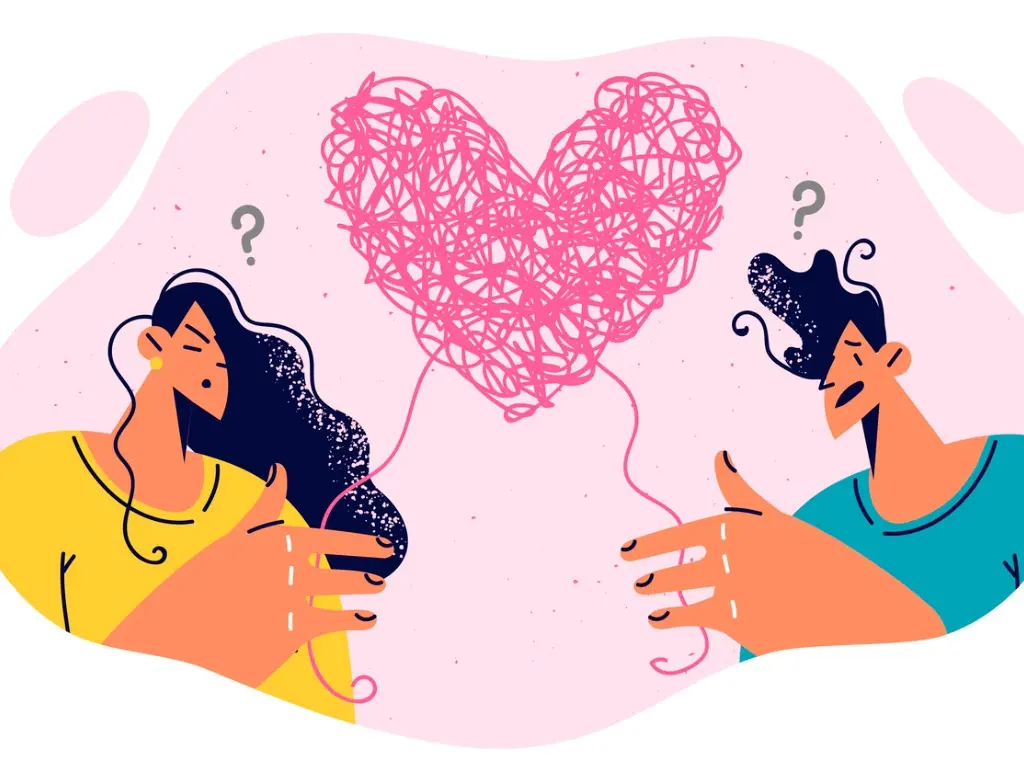
Couples often come to EFT because they feel stuck in repeating fights, shut‑downs, or distance.
The core goal is to move from disconnection to secure attachment — from “we attack or avoid each other when we’re hurting” to “we can reach for each other and feel responded to.”
“This is done by supporting the couple in identifying the emotions that arrive for them and moving a couple from showing a secondary action or emotion to their partner, to feeling confident in sharing a primary emotion,” explains Seeger DeGeare.
Progress can be seen in more open communication, softer conflict patterns, and a felt increase in emotional safety and intimacy.
The three stages of Emotionally Focused Couples Therapy
According to Dr. Sue Johnson, EFT tends to move through three broad stages:
1. De‑escalation: Partners and therapist identify their negative cycle — the repeating pattern that pulls them into fights or distance. The focus is on understanding how the cycle, not either person, is the real enemy.
2. Restructuring: As safety grows, withdrawn partners become more engaged and more reactive partners soften. Each learns to share underlying fears, needs, and longings instead of only secondary emotions like anger or shutdown.
3. Consolidation: Couples reinforce new ways of connecting and problem‑solving. Old conflicts are revisited from a safer place, and partners leave therapy with a clearer roadmap for staying emotionally close.
Key benefits of EFT for couples
1. Deeper understanding of primary emotions: Research shows couples completing EFT often report greater empathy and self‑disclosure. Naming deeper feelings (like hurt, fear, or longing) makes it easier to stay connected during hard conversations.
2. Sharing unmet attachment needs: EFT helps partners recognize and voice attachment needs — for closeness, reassurance, or acceptance — rather than acting them out through criticism or withdrawal.
3. More confidence in conflict: When couples understand what is really happening inside each person during a fight, conflict becomes less threatening and more repairable.
4. Healthier emotion processing: EFT is designed to help partners regulate big emotions together instead of shutting down or exploding.
5. Better emotional communication: Studies suggest EFT can be especially helpful for people who have difficulty expressing feelings, including many cisgender men over 35.
6. Spillover benefits: As the couple bond becomes more secure, research finds improvements in depression, trust, intimacy, and even problem‑solving skills — even when these were not the explicit focus of therapy.
Does EFT actually work?
Yes — EFT is one of the most researched couples‑therapy models to date.
Outcome studies and meta‑analyses consistently show that roughly 70–75% of couples move from distress into recovery, and about 90% show significant improvement by the end of treatment.
In follow‑up studies, many couples maintain or even build on their gains months and years after therapy, including those facing high stress, infertility, or long‑standing conflict.
“By fostering a climate of emotional attunement and responsiveness, EFT seeks to heal relational wounds and cultivate a garden of mutual understanding and intimacy,” says Seeger DeGeare.
Is EFT right for your relationship?
EFT can be a good fit if you:
• Feel stuck in repeating arguments or long silences.
• Want to understand why you and your partner get triggered in certain ways.
• Crave more emotional closeness, not just practical solutions.
• Are open to exploring vulnerable feelings with the support of a trained therapist.
While no single therapy works for every couple, EFT offers a clear, research‑backed path toward more secure, resilient connection — not just during sessions, but long after you leave the therapy room.