Why wanting to be "better" is already a good sign
When you truly care about someone, it is natural to want to show up as your best self. Maybe you are already in a great place and just want to keep growing, or maybe you know you have fallen short lately and want to repair some damage.
Either way, the desire to improve is a strength, not a weakness. It means you are paying attention to your relationship instead of assuming it will run on autopilot forever.
Relationship therapist Laura Caruso points out that people are socialized differently based on gender and identity, which shapes how they behave in love. Noticing those patterns in yourself is often the first step to changing what no longer serves you.
What actually makes a great boyfriend?
Movies and social media often suggest that the ideal boyfriend is all about grand gestures: huge bouquets, extravagant surprises, and constant romance. In reality, most partners are looking for something much steadier — someone they can lean on, laugh with, and grow alongside.
Caruso sums it up this way: strong relationships are built on consistency, attention, and respect. The best boyfriends are present in small ways, day after day.
Common non‑negotiables include kindness, emotional availability, aligned values, a willingness to communicate, and a sense of humor. The exact "extras" vary from person to person, but these basics are the foundation.
Step 1: Look honestly at how you show up
1. Reflect regularly: Take an honest look at your behavior and attitude in the relationship. Where do you feel proud? Where do you keep tripping over the same issue?
2. Ask for feedback: If it feels safe, invite your partner to share what is working for them and what is not. Listen without arguing or defending yourself right away; just take it in.
3. Notice old patterns: Some trust issues, anger, or avoidance may come from past relationships or your family history. Becoming aware of those patterns gives you the power to change them.
Step 2: Understand how your partner receives love
Love languages are not perfect science, but they can be a useful framework. Pay attention to which gestures your partner reacts to most strongly.
4. Learn their love language: Do they light up with words of affirmation, quality time, thoughtful favors, gifts, or physical touch? Let that guide how you show affection.
5. Match your actions to their needs: For someone who craves physical affection, a long hug after a rough day can mean more than a long text. For an acts‑of‑service person, fixing that squeaky door may feel incredibly loving.
The goal is not to guess perfectly every time, but to show you are trying to love them in the way that lands best.
Step 3: Strengthen your communication skills
6. Connect daily: Even if you live together, make room for at least one intentional check‑in a day that is deeper than logistics or chores.
7. Practice active listening: Put your phone away, make eye contact, and reflect back what you hear. Remember details they share — it tells them they matter.
8. Pay attention to non‑verbal cues: Their tone, posture, and expressions often say as much as their words. A hand squeeze or forehead kiss can sometimes communicate care better than a speech.
9. Openly share your intentions: Tell your partner that you are working on being a better boyfriend. That clarity can build trust and make it easier for them to meet you halfway.
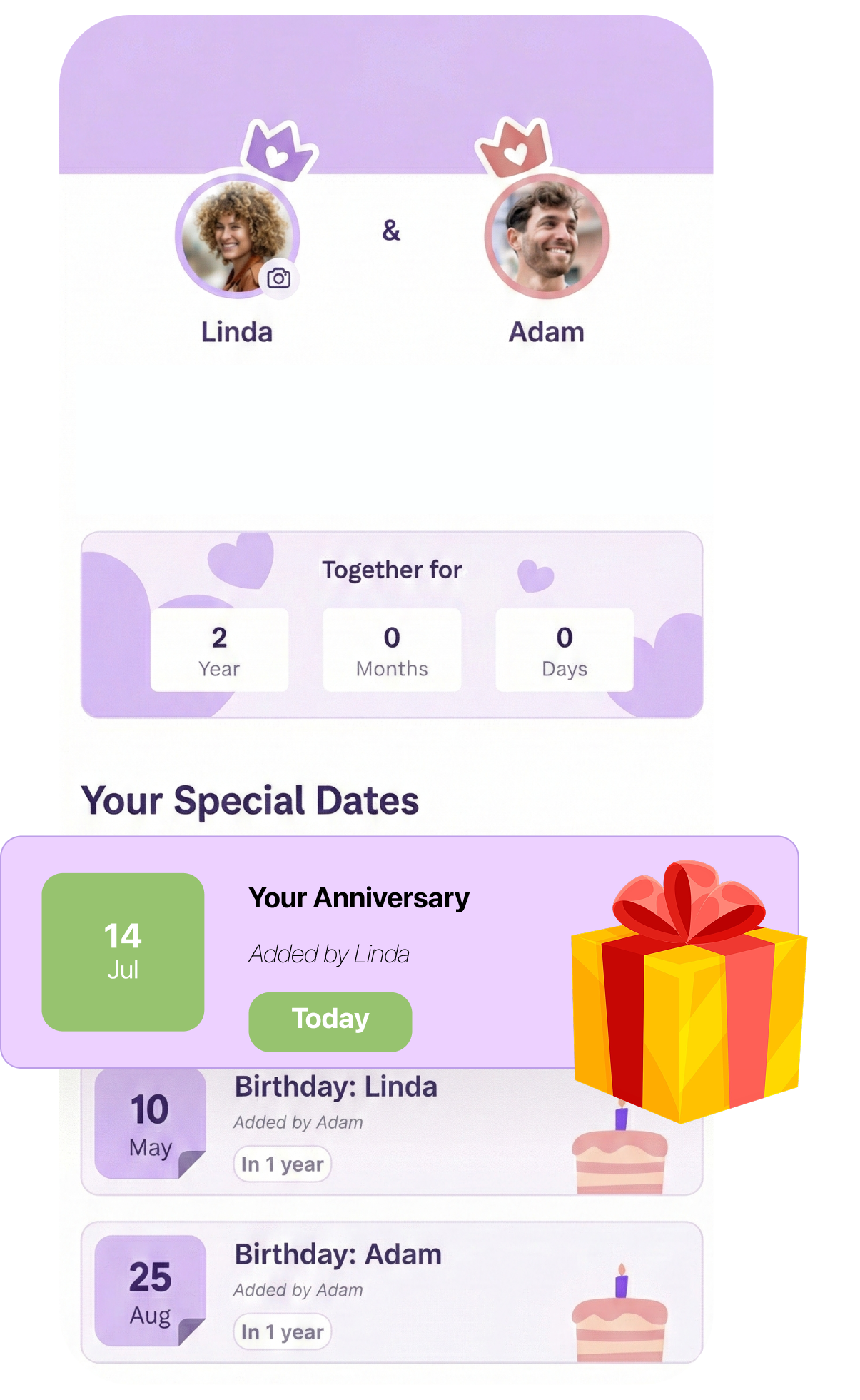
If you want help starting deeper conversations, apps like Lova offer daily prompts and couple check‑ins that make it easier to keep talking about what really matters.
Step 4: Be intentional about growth
10. Set realistic goals: Instead of trying to change everything overnight, choose one or two areas — like handling conflict better or being more affectionate — and focus on those.
11. Build empathy: Remember that what barely registers for you might hit your partner hard. Try to see situations from their perspective before reacting.
12. Validate their feelings: You do not have to agree with every emotion, but you can acknowledge that their experience is real. Phrases like "I get why that hurt" go a long way.
13. Keep learning: Read about healthy relationships, listen to podcasts, or talk to a therapist about communication and emotional intelligence.
14. Follow through: When you say you will work on something, circle back. Share what you are trying, and ask whether it is helping.
Step 5: Protect trust and appreciation
15. Show, do not just say: Trust is built through repeated actions — showing up on time, keeping promises, being honest even when it is uncomfortable.
16. Express gratitude often: Let your partner know you see what they do and appreciate who they are. Do not keep the compliments in your head.
17. Check in regularly: Every so often, ask "How are we doing?" and be open to what you hear about both your strengths and your blind spots.
18. Stay consistent: Being a better boyfriend is not a two‑week project. Small, steady behavior changes over months are what reshape a relationship.
Step 6: Keep your own life healthy, too
19. Avoid losing yourself: Wanting to be a great boyfriend does not mean your entire identity should revolve around your partner. Maintain your friendships, interests, and alone time.
20. Take care of your mental health: Rest, boundaries, and personal growth are not selfish — they are what allow you to show up with energy instead of resentment.
If you notice repeating patterns that are hard to shift on your own, individual or couples therapy can give you tools and structure. Seeking support is a sign of commitment to the relationship, not a sign of failure.
You cannot "train" someone into being perfect — and you should not let anyone train you either
The idea of training a boyfriend to behave a certain way shows up a lot in jokes and advice columns, but in real life it usually leads to control, resentment, and power struggles.
Healthy relationships are built on two adults choosing to grow together, not one person molding the other. If your partner’s basic standards — respect, honesty, effort — are consistently missing even after clear conversations, it might be worth asking whether this relationship can truly meet your needs.
Ultimately, being a better boyfriend is about aligning your actions with the kind of partner you want to be. When you honor your own values, care for yourself, and stay curious about your partner’s needs, improvement stops being a performance and becomes part of who you are.