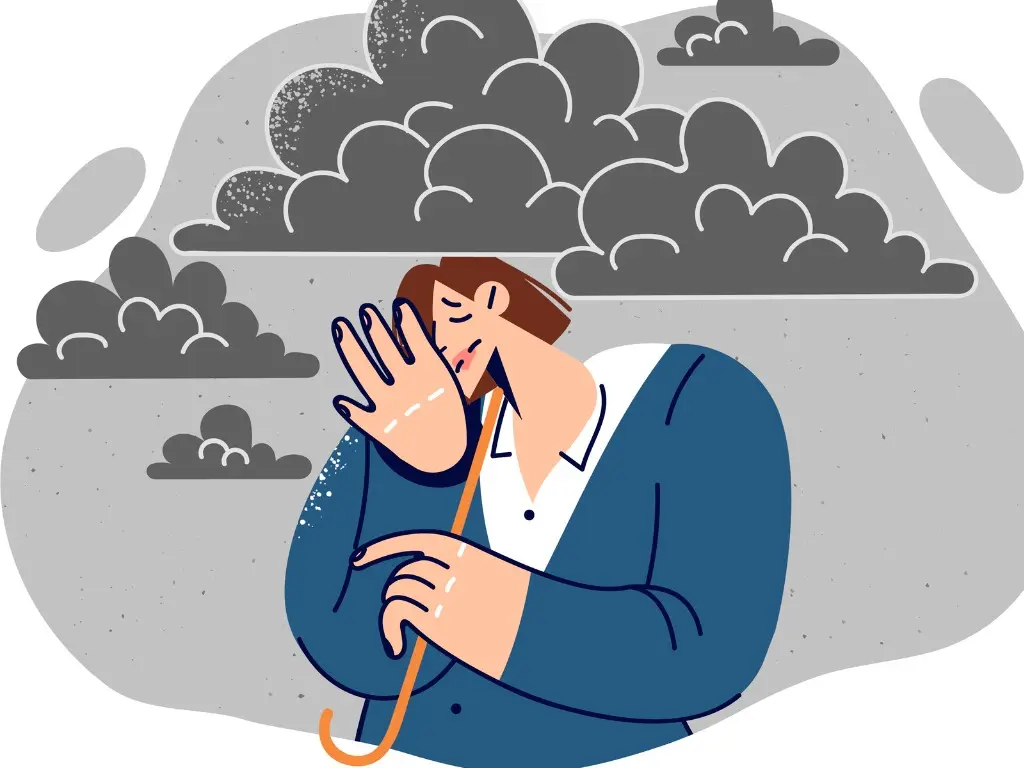
What is a fear of abandonment?
Nobody likes to feel rejected or pushed away by someone they love. But for people with abandonment issues, that fear can feel overwhelming — like the worst‑case scenario in every relationship.
“Abandonment issues are anxious patterns of thought and behavior stemming from past experiences of feeling neglected, rejected, or unloved, and can profoundly impact communication, trust, and intimacy within relationships,” explains licensed therapist and relationship expert Laura Caruso.
These fears are easy to misread from the outside as clinginess, desperation, or being "too much." Underneath, though, they are often rooted in earlier emotional wounds and attachment injuries.
How are abandonment issues linked to attachment style?
“Abandonment insecurities influence the way we perceive and navigate emotional closeness,” says Caruso.
People who grew up with inconsistent, unpredictable, or unavailable caregivers are more likely to develop insecure attachment styles — such as anxious, avoidant, or disorganized attachment.
Those patterns do not just disappear in adulthood; they tend to surface in romantic relationships, friendships, and even work dynamics unless they are recognized and addressed.
What causes abandonment issues?
Abandonment wounds often start in childhood, when caregivers are unable or unwilling to provide stable emotional support.
“Abandonment issues are triggered by past traumas, unresolved childhood attachments, or previous dysfunctional relationship dynamics,” says Caruso.
Common causes include early experiences of neglect, separation from caregivers, the death or departure of a loved one, and unstable or high‑conflict homes.
Not all abandonment issues begin in childhood, though. Divorce, betrayal, or bereavement later in life can also trigger intense fear of being left.
Internal factors, such as low self‑esteem, anxiety disorders, or a history of depression, can magnify these fears and make relationships feel especially risky.
How do people with abandonment issues tend to act?
Abandonment fears can show up in different ways depending on personality and coping style. Some people cling tightly; others shut down or push everyone away.
You might not notice the pattern at first, but over time it becomes clearer how much this fear shapes your reactions to closeness, conflict, and distance.
Common signs of abandonment issues
Fear of rejection: Constantly worrying that people will leave, turn on you, or lose interest. “People with abandonment issues often harbor a deep-seated fear of rejection,” says Caruso. “They may constantly seek reassurance of their partner’s love and commitment, or become overly dependent on their partner for validation, emotional support, and a sense of identity.”
People‑pleasing: Going out of your way to keep others happy, even when it means ignoring your own needs or boundaries, because upsetting someone feels like a direct path to being left.
Clinginess and separation anxiety: Needing frequent contact, reassurance, or physical proximity to feel secure; feeling panicked or distressed when you are apart.
Need for reassurance: Frequently asking if everything is okay, if your partner still loves you, or if they are upset — not because you want attention, but because your nervous system is on high alert.
Insecurity: Low self‑worth and a belief that you are easy to leave can make even small disagreements feel like proof that you are not enough. “People with a fear of abandonment often experience intense feelings of insecurity in response to minor disagreements or conflicts and struggle with being alone,” says Caruso.
Trust issues: Doubting others’ intentions, struggling to believe reassurance, or constantly bracing for betrayal, even when there is no clear evidence.
Pushing people away: Paradoxically, some people with abandonment wounds create distance first, so they will not be caught off guard if the other person leaves. “They may push their partner away or avoid intimacy as a way to protect themselves from potential rejection,” Caruso notes.
Control or codependency: Trying to control situations, or accepting controlling dynamics from others, as a way to feel more secure and less alone.
Self‑sabotage: Starting fights, withdrawing, or ending relationships prematurely to avoid the pain of being left by surprise.
Settling: Staying in unhappy or unhealthy relationships because the idea of being single feels more frightening than dissatisfaction.
How abandonment issues show up in relationships
Even when someone desperately wants a healthy partnership, unhealed abandonment fears can quietly push the relationship toward instability.
“Addressing abandonment issues is crucial for fostering a healthy and secure bond between partners,” says Caruso.
Unresolved fears can fuel jealousy, hyper‑vigilance, or emotional withdrawal. Over time, this can create misunderstandings, distance, and a sense of loneliness — even when you are technically together.
Partners who do not understand what is happening might misinterpret these reactions as manipulation or drama, rather than as protective strategies rooted in past hurt.
How to start resolving abandonment issues
Abandonment issues do not have to define your future relationships.
The first step is awareness: noticing the patterns in your thoughts and behavior, and gently naming them as attempts to stay safe, not as personal failures.
From there, healing usually involves a mix of self‑work, open communication, and, for many people, professional support.
“Addressing these issues requires patience, empathy, and a willingness to explore and heal past wounds together,” says Caruso.
Talking to your partner about your fears
Once you recognize your own fear of abandonment, sharing it with a trusted partner can be an important part of healing.
You might say something like, “Sometimes I worry a lot about people leaving, and it makes me act in ways I’m not proud of. I’m working on it, but I wanted you to know where it comes from.”
Healthy partners do not have to "fix" your past, but they can help by being consistent, reassuring, and open to learning what feels supportive versus triggering.
Can therapy help with abandonment issues?
Professional support is often key, especially if abandonment fears are tied to trauma, long‑standing mental health struggles, or very intense reactions.
“In therapy, clients learn to recognize and challenge negative beliefs about themselves and relationships in general, develop more effective communication skills, and build trust and intimacy with their partners,” says Caruso.
Therapists can also help you notice when you are reenacting old patterns with new people — and experiment with different, more secure ways of relating.
Effective therapies for abandonment issues
Several approaches can be helpful, including:
• Cognitive Behavioral Therapy (CBT) to challenge catastrophic beliefs and build healthier thought patterns.
• Dialectical Behavior Therapy (DBT) to improve emotion regulation, distress tolerance, and interpersonal effectiveness.
• Attachment‑focused and psychodynamic therapies to connect present‑day reactions with earlier attachment wounds and relationship dynamics.
• Couples therapy (such as Emotionally Focused Therapy) when both partners want support navigating these patterns together.
“Therapy and open communication can provide valuable support in navigating these challenges to foster a more secure and fulfilling bond,” Caruso emphasizes.
FAQ
Why do I have abandonment issues if I was never literally abandoned? Abandonment issues are not only about someone physically leaving. Emotional neglect, inconsistency, chronic criticism, or feeling unseen can all create similar wounds. Major losses or painful breakups later in life can also contribute.
Can abandonment issues ever fully go away? Many people find that with time, therapy, and supportive relationships, their fears quiet down and become much more manageable. Triggers might still pop up, but they no longer control every reaction.
How can I support a partner with abandonment issues? Listen without judgment, be as consistent as you reasonably can, and encourage them to seek professional help if the fears feel overwhelming. Set healthy boundaries, too — supporting someone should not mean abandoning your own needs.