Do long-distance relationships work?
Whether you like it or not, long‑distance couples often feel like everyone is watching them. Alongside missing each other, you also face a steady stream of questions like “How do you make long‑distance work?” or “Aren’t you scared the distance will be too much?”.
If you are tired of defending your relationship and quietly wondering the same things yourself, you are not alone.
With guidance from relationship expert Laura Caruso, this guide explores how to make a long‑distance relationship work in real life — with grounded tips you can actually use when the miles start to feel heavy.
Do long-distance relationships last?
Long‑distance relationships get a lot of bad press, and many people assume they are doomed from the start.
The reality is more nuanced. Research has found that a significant number of couples either begin long‑distance or go through at least one long‑distance chapter, and millions of partners in the US alone are currently managing love across cities or countries.
While physical distance does add extra challenges, dedication matters just as much as geography. Studies suggest that around 60% of long‑distance relationships do make it, especially when both people are intentional about how they stay connected.
So if you are considering an LDR, it can be grounding to remember that distance does not automatically mean “it will not last” — it simply means you will need a clear plan.
How do you keep a long-distance relationship going?
Knowing that long‑distance can work is one thing; figuring out how is another.
Every couple eventually finds their own rhythm, but one mindset shift helps from the start: accepting that, for now, this is your reality. Constantly complaining about how unfair the distance is or turning every conversation into “I miss you” can slowly drain the joy out of the connection.
Missing each other is natural, and saying it out loud is important. The key is not letting that be the only thing you talk about.
Instead, long‑distance couples who last tend to commit to coping strategies and communication patterns that fit their situation — and they are willing to adjust those routines when something stops working.
Communication strategies that help LDR couples
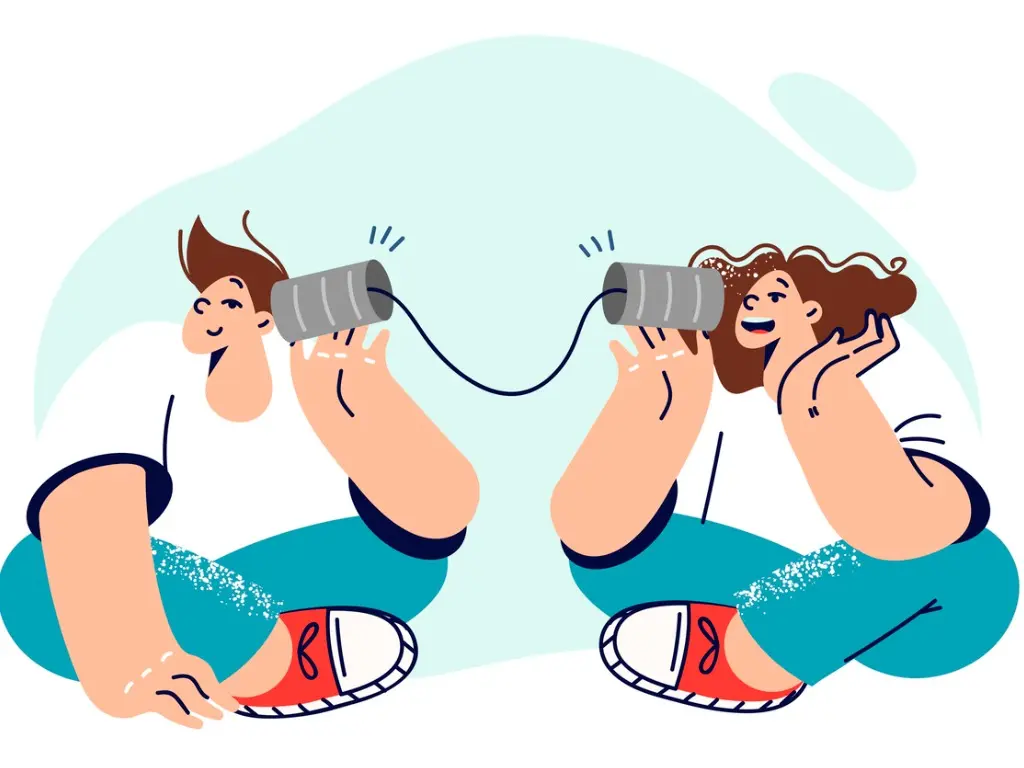
In the past, long‑distance partners had to rely on letters and the occasional expensive phone call. Today, you have video chat, voice notes, instant messages, and shared apps to bridge the gap.
“Long‑distance relationships thrive on intentional effort,” explains Laura Caruso, licensed mental health counselor, relationship therapist, and psychotherapist.
“Establishing schedules, using different communication tools, and approaching typical relationship activities with creativity all help sustain a long‑distance connection.”
When you live apart, it is easier to leave things unsaid, skip details, or slowly drift into surface‑level check‑ins. Over time, those unspoken pieces can build emotional walls that are hard to climb over.
This is why it helps to agree on a communication routine and check in regularly about whether it still works for both of you.
Expert tips for making a long-distance relationship work
Be intentional with your time together. To keep your long‑distance relationship feeling alive, you need consistent time set aside for each other — even if you are juggling time zones or hectic schedules. “Set up specific times for video calls, phone calls, or chats,” says Caruso. “Regularly scheduled interactions help maintain a sense of routine and anticipation.” Virtual dates are not the same as being in person, but dedicated time still matters.
Mix up the ways you communicate. “Use video calls for face‑to‑face interactions, text messages for quick updates, emails for more detailed conversations, and even snail mail for a personal touch,” Caruso suggests. Changing the format can keep things from feeling stale.
Practice radical transparency. To ease the natural insecurities that come with distance, keep your partner in the loop. “Share your feelings, concerns, and daily activities honestly. It helps build trust and understanding,” says Caruso.
Share the small, everyday details. You may not have shared physical experiences, but you can still share your world. “Talk about your day‑to‑day life, no matter how mundane it may seem,” says Caruso. “Sharing the small details keeps you involved in each other’s lives.”
Plan visits in advance. Video chat is helpful, but it does not fully replace being together in person. Make an effort to always have your next visit penciled in. “Having time IRL to look forward to can give both partners something tangible to hold onto, making the distance feel more bearable,” says Caruso.
Create both short‑term and long‑term plans. In a long‑distance relationship, it is important to know where you are heading. “Make sure you know when the next visit is, your timeline for moving closer together, or personal goals to support each other in achieving to better manage expectations,” Caruso explains.
Use surprises to keep things sweet. A thoughtful surprise lands even harder when you are far apart. “Send surprise gifts, letters, or plan unexpected visits. Small acts of love and care go a long way in keeping the romance alive,” says Caruso.
Get creative with long-distance dates. FaceTime dinners are lovely, but you can also “stream the same movie, play online games, or cook the same meal to create a sense of togetherness,” Caruso suggests.
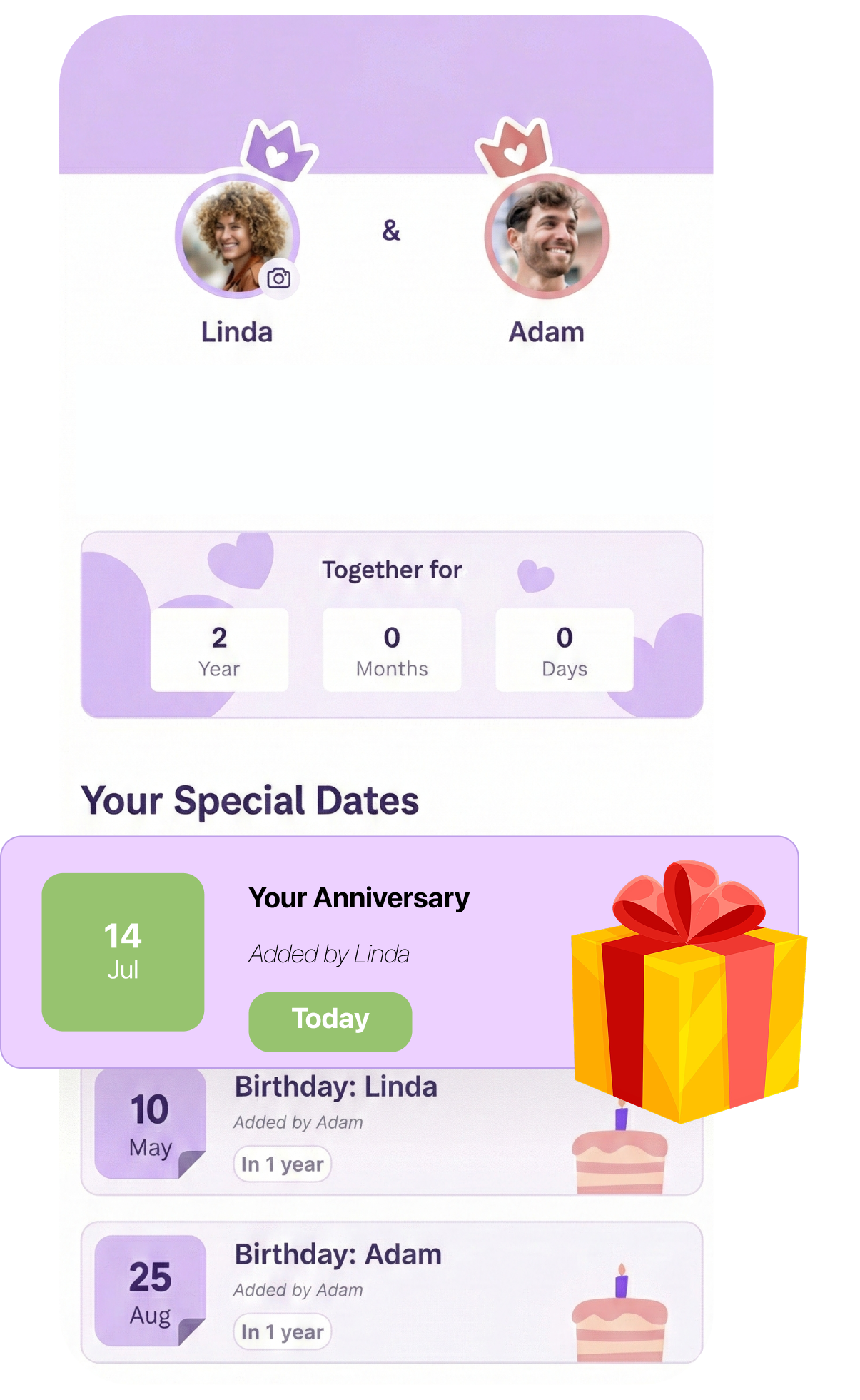
Share a digital calendar. Instead of guessing what your partner is up to from social media, try sharing a calendar. “It helps in planning calls and visits and in being aware of significant events in each other’s lives,” says Caruso.
Practice active listening. When you are apart, it is tempting to half‑listen while multitasking. “When communicating, listen attentively and respond thoughtfully. Active listening ensures that both partners feel heard and valued,” says Caruso.
Accept that there will be hard days. “Long‑distance relationships come with their own set of challenges,” Caruso notes. “Practice patience and empathy, understanding that there will be tough times.”
Invest in your own growth. Distance can give you extra time to work on yourself. “Use the time apart to focus on individual growth,” says Caruso. “A stronger, more fulfilled partner contributes positively to the relationship.”
Talk regularly about your future. Every healthy relationship needs a sense of direction. “Having a clear vision and understanding of where the relationship is heading provides reassurance and motivation,” says Caruso.
Get a little help from tools and apps. Being far apart does not mean you have to manage everything on your own. “Leverage apps and tools designed for long‑distance couples, such as shared journaling apps, countdown apps, and even virtual reality experiences,” says Caruso. The Lova app is especially helpful for LDR couples, giving you daily questions and reflections that help you feel emotionally close, even when you are in different places.
Stay hopeful. Being away from your favorite person is hard — that part is unavoidable. But dwelling only on the negatives can make it feel even heavier. “Maintain a positive outlook and focus on the positives of the relationship,” Caruso advises. “Celebrate the love and connection you share, despite the distance.”
When should you end a long-distance relationship?
With all of these expert strategies in place, many couples find a rhythm that makes the distance feel more manageable.
Still, not every long‑distance story has a forever ending — and that does not mean you did anything wrong.
Some research suggests that when a long‑distance relationship is going to end, it often does so within the first few months, around the four‑to‑five‑month mark. If you have moved beyond that point and things still feel good, it can be a sign that your routines are working for you.
Regardless of how long you have been together, regular relationship check‑ins are essential. They give you both space to be honest about what feels good, what feels hard, and what might need to change.
Red flags to pay attention to
“Always check in with how a relationship feels,” says Caruso.
“Overall, your relationship should feel more ‘good’ than ‘bad,’ or more connected than disconnected.”
If you are consistently feeling lonely, anxious, or resentful — or if conversations about the future keep going nowhere — that is important information.
Struggling with distance does not automatically mean the relationship is doomed. In fact, it is very normal to have moments where you wish things were easier or where you question how long you can keep going.
What matters is what you do with those feelings. “If you find yourself questioning the longevity of your relationship, talk to your partner and attempt to resolve the issues together,” says Caruso.
“Commit to a timeline for repair before reconsidering if the relationship is worth ending.”
Before you walk away, be as honest as you can about what you need, set realistic goals together, and give yourselves a fair chance to make changes. If nothing shifts, it may be time to consider whether the distance — or the relationship itself — still works for both of you.
FAQ: How do you show affection in a long-distance relationship?
When you cannot rely on physical touch, affection has to show up in other forms — and that can actually expand your toolkit for making each other feel loved.
Think of simple, consistent gestures: a daily good‑morning or good‑night text, a quick “how is your day going?” check‑in, a voice note before bed, or a song that reminds you of them shared out of the blue.
These small signals say, “You are on my mind,” which is often what your partner needs to feel cherished when you cannot be there in person.
You can also experiment with handwritten letters, care packages, surprise food deliveries, or digital photo albums you update together. The format matters less than the message: I see you, I am thinking of you, and you still matter in my everyday life.