When every argument turns into shouting
Disagreements are part of any close relationship. Spending a lot of time with one person — even someone you love — will eventually lead to conflict.
Handled well, arguments can be part of a healthy relationship. They help you understand each other’s perspectives, practise compromise, and strengthen your bond.
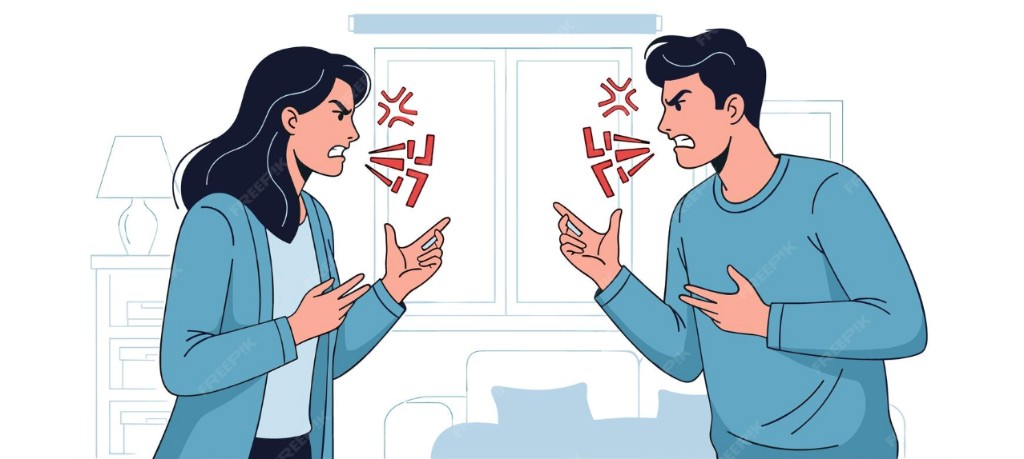
But when most disagreements escalate into yelling or screaming, it can be a sign that anger and unresolved resentment are running the show.
We asked dating and relationship expert Pippa May how to understand the impact of yelling in a relationship and how to start changing the pattern.
Is yelling in relationships normal?
Everyone loses their temper sometimes. A raised voice on occasion does not automatically mean your relationship is in trouble.
“Whilst yelling on occasion can happen without too much impact on the relationship, there is a risk that this sort of communication and behaviour will become normalised,” says May.
If most conflicts — even small ones — end in a shouting match, it is cause for concern.
“We yell when we feel threatened or attacked,” May explains. “It is a defence mechanism that triggers our fight‑or‑flight response.”
Over time, though, constant yelling usually points to deeper issues in how you both handle stress, anger, and communication.
How yelling affects your relationship
In a healthy argument, both partners can be honest and vulnerable about how they feel. Yelling usually shuts that down.
“This sort of arguing can be really damaging and can create a space where it is not safe to express your needs, desires, and concerns with your partner,” says May.
When voices get loud, people often say things they do not fully mean, aiming to hurt rather than understand. This can chip away at trust and leave both of you feeling raw and defensive.
Anger and shouting can also spill over into other areas of your lives, affecting sleep, concentration, and overall mental health — especially for the person being shouted at.
How to stop yelling when you are angry
If you have noticed yourself yelling more than you would like, it is a positive sign that you want to change.
May suggests starting with three key steps:
1. Understand your triggers
Ask yourself what tends to set you off.
“The underlying ‘why’ will help you to understand your reaction,” says May. “For example, if you yell when your partner comes home late from work every night, you might identify that you are not feeling like a priority and you want to spend more quality time together.”
Once you can name the feeling underneath — like feeling ignored, scared, or taken for granted — you can start talking about that directly instead of exploding.
You might say, “When you are late and do not text, I feel unimportant and disappointed,” rather than leading with raised voices.
2. Manage external stress
Stress from work, family, finances, or even constant notifications can all lower your tolerance and make yelling more likely.
Looking after your own wellbeing — through movement, time outside, sleep, and healthy boundaries with technology — can make it easier to stay calm during disagreements.
Regular practices such as yoga, meditation, or journaling can help you notice and release tension before it erupts at your partner.
“Anger usually masks other feelings, such as insecurity, sadness, or longing. Getting to the root cause will be really helpful,” May adds.
3. Breathe before you react
Once you are already fired up, it can feel almost impossible to dial back your tone — but grounding your body can help.
“Taking a few deep intentional breaths and focusing on the present moment will be a game‑changer because it will help to slow things down,” says May.
When we are angry, adrenaline floods our system and we become highly reactive. Slowing your breathing can calm your nervous system enough to choose a different response.
If you need to, ask for a short pause: “I am feeling too angry to talk right now. I am going to take ten minutes to breathe and then I want to come back to this.”
Is yelling in a relationship abuse?
Not all yelling is abusive, but patterns of personal, cruel, or degrading shouting can absolutely be a form of emotional abuse.
“Verbal and emotional abuse are extremely concerning and can be very damaging to an individual,” May warns.
If yelling regularly includes insults, name‑calling, threats, or attempts to control you, it can be deeply harmful to your self‑esteem and mental health.
If you are worried, consider reaching out to a trusted friend or family member, a therapist, or a local support organisation to talk through what is happening and explore your options.
Can you stop someone else from yelling at you?
You cannot directly control your partner’s reactions, but you can set boundaries and be clear about how their yelling affects you.
Choose a calm moment outside of any argument to talk about it. Describe specific situations and how you felt, and explain that yelling makes it hard for you to feel safe or stay in the conversation.
“People's emotional responses are their responsibility, and we can only control our own reactions,” says May.
“You should not take the blame for someone shouting at you, the same way you cannot blame someone else for making you shout. Even if yelling is an instant response, it is their instant response and therefore their job to work on it.”
From there, you can ask if they are willing to try new approaches together — and, if needed, suggest couples therapy or anger‑management support.
Whatever happens, remember you are allowed to prioritise your emotional safety.