How to get through a rough patch and reconnect with your partner
Hitting a rough patch in a relationship is a common hurdle many couples face. Unless you are still in the honeymoon phase — or have just been incredibly lucky — ups and downs with your partner are pretty much inevitable.
Even couples in healthy relationships have arguments. When handled with patience and open communication, conflict can actually strengthen your bond. But in the middle of tension it can be hard to tell the difference between a normal disagreement and a true rough patch.
If you and your partner have been having a tougher time than usual, this guide can help you understand what a rough patch in a relationship really means and how to move through it together.
What does being in a rough patch mean?
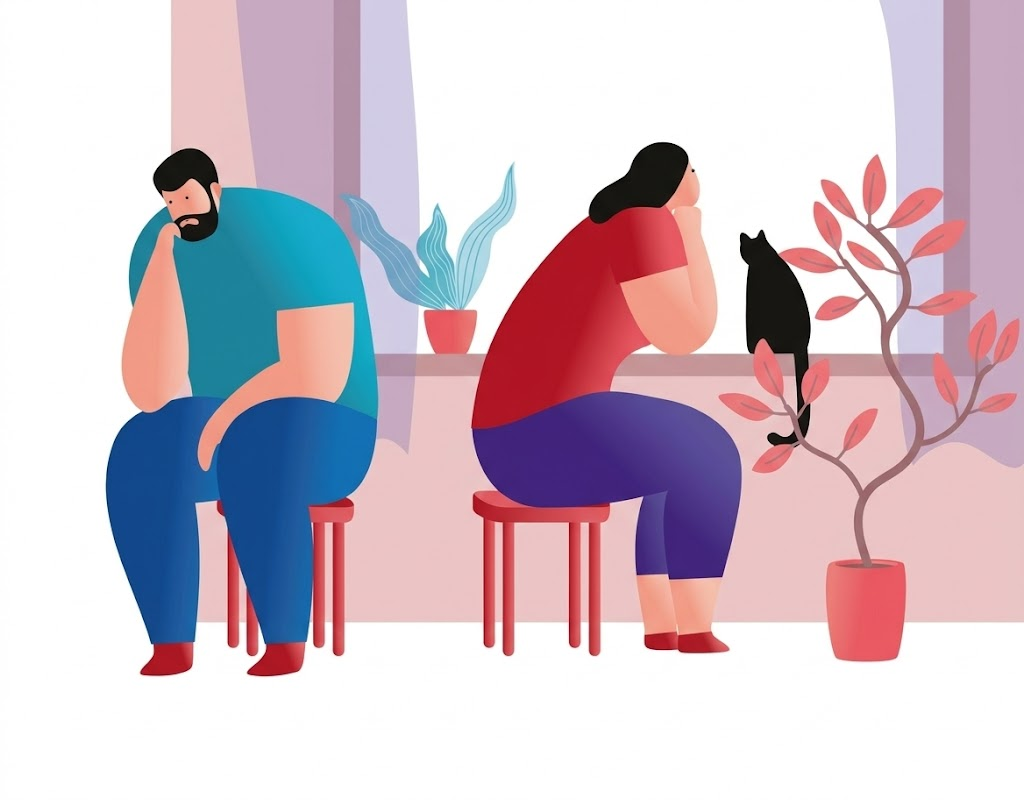
A rough patch in a relationship is a period when things feel tense, strained, or like there is less intimacy between partners.
You might notice that everything your partner does seems to annoy you more than usual, you fight about seemingly small things, or there is a clear breakdown in communication.
Loving or intimate moments may feel less frequent, you might feel distant or disconnected from each other, or even feel strangely alone inside the relationship.
The good news is that most rough patches are temporary — especially when both partners are willing to acknowledge what is happening and work on it together.
What causes rough patches in relationships?
Long‑term relationships require care and maintenance — particularly when outside factors such as work, family, money, or health start to place extra pressure on you.
Sometimes a rough patch is simply a by‑product of life getting in the way. When you are stressed, tired, or navigating a major life event, it can be harder to give your relationship the attention it needs.
Licensed marriage and family therapist Natalie Moore notes that when couples become fully absorbed in daily routines, romance can easily get lost in the shuffle of schedules, commutes, and chores.
If you have started to experience a difficult time with your partner, it may be a sign that outside influences have begun to affect your connection — not necessarily that the relationship itself is broken.
Are rough patches normal in a relationship?
Yes. Real‑life relationships go through ups and downs, and rough patches are a normal part of many long‑term partnerships.
Going through a hard season does not automatically mean you are at a crisis point or that you have to break up. In fact, working through difficulties together can help you grow stronger as a couple.
That said, if every day feels like a struggle or your rough patch has lasted a long time, it is also normal to wonder whether something deeper might be wrong.
How long do rough patches last in a relationship?
There is no single timeline for a rough patch. Some couples may start to feel more connected again after a few days or weeks, while others may need months to fully recover their sense of closeness.
The length of a rough patch often depends on what caused it, what else is happening in your lives, and how much energy you both put into fixing things.
For example, a rough patch after having a baby or during a major career change may take longer to work through than tension caused by a short‑term stressor.
How do you deal with a rough patch in a relationship?
Start by asking yourself what seems to be causing the rough patch in the first place. Naming the problem and agreeing to work on it together is usually the best starting point.
How you respond may also depend on how long this has been going on. If you have been stuck in the same cycle for months or feel like you have already tried to fix things on your own, it might be time to consider outside help such as couples therapy.
Whether you work on the issues together or with a third party, you will probably still have moments of conflict. Try to remember that, ideally, you and your partner are on the same team — and that repairing the relationship is in both of your interests.
3 ways to get over a rough patch
1. Make time for intimacy. Rough patches often come with a sense that intimacy is missing. Rebuilding it can mean small, consistent efforts: holding hands, cuddling, making time for sex, and talking openly about your worries, hopes, and insecurities. Shared experiences such as helping each other with chores or projects also create a sense of being in it together.
2. Communicate about what is going on. A rough patch can feel like an emotional rollercoaster. One minute you may feel fine; the next you are in a full‑blown argument. Opening up channels of communication — even if it feels uncomfortable — is one of the best ways to get through it. Ask yourselves whether this is a new pattern or something you have worked through before, and whether you are both being honest and willing to have hard conversations.
3. Schedule quality time together. When life feels monotonous or heavy, deliberately planning quality time can help you see your relationship in a more positive light. Turn off your phones, step away from social media and work, and focus on being present with each other. That might mean a simple at‑home date night or recreating one of your early, happy memories together. Even in long‑distance relationships, planning virtual dates or shared activities can help you reconnect.
When should you worry about a rough patch?
While most rough patches are temporary, there are times when ongoing difficulty may point to deeper issues.
You might consider seeking extra support if you notice patterns such as constant contempt or criticism, a total breakdown in communication, emotional or physical withdrawal that never seems to shift, or any form of abuse.
If you are not sure whether you are facing a passing rough patch or something more serious, talking with a trusted friend, support group, or therapist can give you perspective and help you decide what you need next.