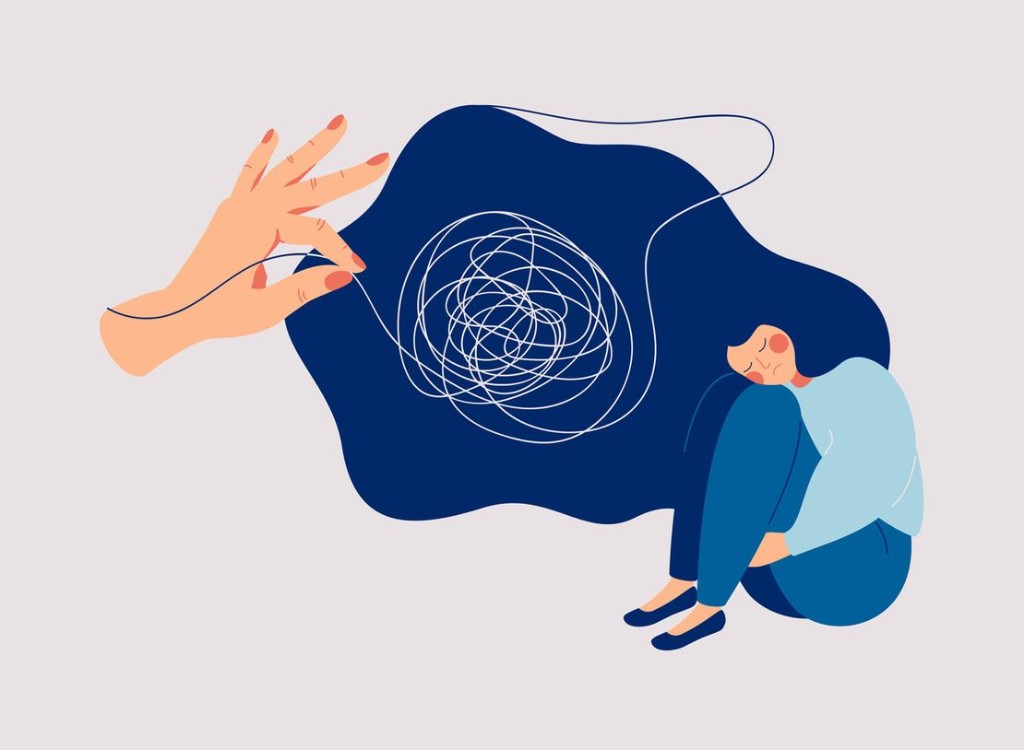
What gaslighting really means
“Gaslighting” has become a popular term online, but many people are still unsure what it actually is.
At its core, gaslighting is a form of emotional abuse that manipulates someone into questioning their own reality — their memories, perceptions, or even their sanity.
Gaslighting can happen in any kind of relationship, but it is especially common in romantic partnerships where there is already a lot of emotional investment.
Because it often shows up gradually and in subtle ways, it can be very hard to recognise while you are in the middle of it.
How experts define gaslighting
“Gaslighting is a form of psychological control that can be very dangerous in relationships, therefore knowing the signs of gaslighting is important,” explains relationship scientist and therapist Dr. Marisa T. Cohen.
“Gaslighting is dangerous and can erode a person’s self‑esteem, autonomy, and trust in themselves,” she adds.
Those who gaslight may sometimes use flattery or promises of change to persuade their partners to stay, which makes it even harder for the person being harmed to leave.
The term comes from the 1940s psychological thriller Gaslight, where a husband tries to convince his wife that the flickering gas lights and strange noises she hears are all in her imagination — when they are not. His goal is to have her declared “crazy” so he can steal from her.
While real‑life gaslighting may not be so dramatic, the aim is similar: to confuse, control, and ultimately gain power over another person.
Why gaslighting is so harmful
Sociologist Paige Sweet notes that gaslighting often occurs within unequal, power‑laden relationships.
Over time, a partner who is being gaslit may start to doubt their own thoughts and emotions, asking themselves, “Am I overreacting?”, “Did I imagine that?”, or “Maybe I really am the problem.”
This chronic self‑doubt can erode self‑esteem, increase anxiety, and make it harder to trust your own judgement.
Gaslighting is a form of psychological and emotional abuse that can leave long‑lasting scars even after the relationship ends.
Common examples of gaslighting in relationships
Gaslighting can look different from one relationship to another, but some patterns show up again and again:
• Rewriting history. Your partner discredits your memory of events, insisting something “never happened” or that you are “remembering it wrong,” even when you are sure you are not. They rarely apologise or take accountability, instead saying things like “I am sorry you think I hurt you.”
• Shutting you down in arguments. They do not let you explain your side. Comments such as “I should have known you would take this the wrong way” or “You completely misinterpreted the situation” dismiss your perspective instead of engaging with it.
• Attacking your character. Rather than focusing on a specific behaviour, they belittle you as a person — calling you “too sensitive,” “dramatic,” or “crazy,” and implying your feelings are not valid.
• Playing on your vulnerabilities. They bring up personal insecurities or past mistakes to undermine your confidence whenever you raise a concern.
• Isolating you from support. They discourage or mock your relationship with friends and family, suggesting that no one else likes or understands you. They might say things like “You are crazy — even your friends think so,” pushing you to rely on them as your only source of validation.
Signs you might be experiencing gaslighting
Individually, the following signs could point to many different struggles. Taken together, they may indicate gaslighting:
• You often feel confused or like you are “losing your mind.”
• You apologise frequently, even when you cannot identify what you did wrong.
• You feel unhappy, lonely, or unsafe in your relationship.
• You feel inadequate or insecure, as if you are not good enough for your partner.
• You constantly second‑guess your decisions and doubt your own judgement.
• You feel anxious or on edge much of the time.
• Friends or family have expressed concern about how your partner talks to you or behaves around you.
What to do if you think you are being gaslit
Realising you might be experiencing gaslighting can be frightening — and it can also be the first step toward reclaiming your sense of self.
Dr. Cohen stresses the importance of outside support: “If you or someone you love is the victim of gaslighting, it is important to immediately seek out professional support.”
Consider contacting a therapist, a local support service, or a crisis hotline for confidential guidance.
Reaching out to trusted friends and family can also help you reconnect with people who see you clearly and can validate your experiences.
Confronting a partner who is actively gaslighting you does not always lead to change; in some cases it can make the manipulation worse.
If patterns of gaslighting persist, the safest and healthiest option is often to remove yourself from the situation and seek help planning your next steps.
Whatever you decide, remember: emotional abuse is never your fault, and you deserve relationships where your feelings and perceptions are taken seriously.