How do you know if you’re in the wrong in a relationship?
It’s me. Hi. I’m the problem, it’s me — sometimes the Taylor Swift lyric hits a little too close to home.
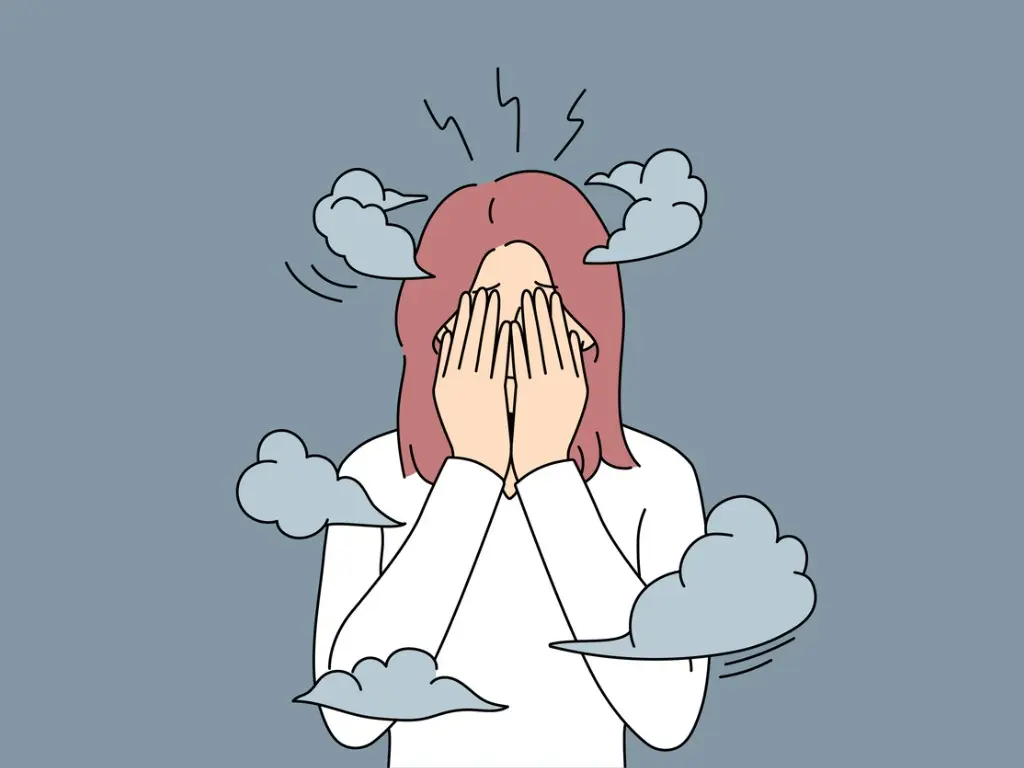
When a relationship starts to spiral, it is easy to become an expert at pointing fingers. Eventually, though, you have to pause and honestly ask, “Am I the problem in my relationship?”
Most of us find it far easier to see toxic traits in other people than to admit we might be the one behaving badly. Accepting that you could be the one sabotaging things is a bitter pill to swallow — but it is also the first step toward changing.
The questions and signs below are designed to help you look in the mirror with compassion, not shame, and figure out what needs to shift.
How do I know if I am the problem in a relationship?
We are all good at spotting red flags from a distance. Turning that magnifying glass back on ourselves is much harder.
No one is perfect, but a basic rule of thumb is to treat your partner how you would like to be treated. When things start going wrong, it is tempting to focus only on what they are doing and ignore your own role.
Some people would rather walk away or give up than admit they might be in the wrong. In the long run, that kind of avoidance can keep you from ever building the kind of healthy relationship you say you want.
If you realize you would probably break up with your partner for behaving the way you are behaving, it is time for serious self‑reflection, acceptance, and growth.
What does taking responsibility really mean?
“After spending over a decade assisting couples recovering from affairs, sex addiction, and pornography addiction — some of the most harmful relationship behaviors — a significant part of the work is understanding how both partners’ patterns interact,” explains Love Coach Linda.
“It’s crucial to recognize that even though both partners contribute to unhealthy patterns, that does not mean both are to blame for someone’s harmful behavior. Still, it matters to see how things like lack of boundaries or being too enmeshed can feed into the dynamic.”
There are plenty of textbook signs of toxic relationships, but when you turn those questions inward, it is easy to dismiss your own behavior unless you are very honest with yourself.
Give yourself a timeout, set your pride aside for a moment, and ask: am I getting in the way of my own happy ending?
Signs you might be contributing to the problems
Threatening breakups. In the middle of conflict, you go straight for the self‑destruct button. If you use threats of breaking up to make your partner agree with you, you are undermining trust and safety.
Using silence as a weapon. Your partner tries to talk or compromise, but you shut down completely — especially if there is any chance you might be wrong. The silent treatment might feel easier than facing hard conversations, but it blocks real resolution. “Silence is another form of control in a relationship and often leads to unhealthy power imbalances,” says Love Coach Linda.
Never apologizing. To protect your ego, you refuse to say sorry, or you offer half‑apologies with conditions instead of taking real responsibility.
Lack of compromise. Healthy relationships rely on give‑and‑take. If you consistently put your own needs first and dismiss your partner’s perspective, stubbornness can slide into narcissistic behavior.
Always the victim. If you are asking “Why am I always the problem?” but secretly believe you are never at fault, you might be stuck in a blame‑only mindset where your partner is always the villain.
Constant second‑guessing. No matter what your partner says or does, you automatically doubt their intentions — even when they have given you no reason not to trust them.
Holding grudges. Arguments end, but in your mind they never really do. You keep a running list of every mistake and bring it up again and again.
Being relentlessly critical. Instead of looking at your own behavior, you pick apart everything your partner does and rarely offer praise or appreciation.
Leaning into toxic tactics. You might gaslight, stonewall, mock, or minimize your partner, even if you would call these behaviors out immediately in someone else.
Chasing drama. Rather than getting to the root of issues or seeking real support, you find yourself stirring the pot — and maybe even enjoying the chaos.
Escalating conflict. A small disagreement (like who forgot to take the trash out) turns into a huge fight because you keep bringing up old arguments or poking at your partner’s insecurities.
No accountability. When things go wrong, you refuse to own any part of it. Even when your partner tries to share responsibility, you insist it is all on them.
Living in a permanent bad mood. If you are constantly irritable and shut down every attempt at connection, it becomes almost impossible to build anything positive together. “Even when bad moods are related to mental health or depression, it’s important to think about how they affect the relationship,” says Love Coach Linda. “You are not changing for your partner, but because you want to be in a healthy relationship.”
Self‑sabotage. Depending on your attachment style, you might push your partner away, test them, or create drama because deep down you are afraid of closeness or being hurt.
Expecting them to change while you stay the same. You have a long list of things you wish your partner would fix, but you rarely — if ever — look at what you might need to work on yourself.
How do I stop being the problem in my relationship?
If reading those signs felt like playing bingo with your own behavior, take a deep breath — this might be exactly the wake‑up call you needed.
Realizing you might be contributing to the problem does not mean you are a bad person or the permanent villain of the story. Everyone is capable of changing their role in a relationship.
Blame on its own will not fix anything. In a healthy partnership, responsibility for the relationship’s success is shared, and both people put in effort.
When you notice toxic patterns in yourself, the first step is self‑awareness, followed by self‑acceptance — acknowledging what is really happening without beating yourself up.
You do not have to do that work alone. With the support of your partner, individual therapy, or couples counseling, it becomes easier to unpack why you react the way you do and begin to choose something different.
“Even having the willingness to interrupt your negative behaviors and openly talk to your partner about them can have a profound impact on a relationship,” says Love Coach Linda.
If you are already asking whether you might be the problem, you are likely further along the road to healing than you think.
You have got this.