✅ Expert reviewed
This article has been reviewed by Moraya Seeger DeGeare, licensed marriage and family therapist, to ensure that the guidance on self‑sabotaging behaviours in relationships is compassionate, realistic, and grounded in current research.
What are the consequences of self‑sabotaging behaviour?
If you find yourself as the architect of yet another break‑up, it might be time to consider that you are part of the problem.
It can be a difficult pill to swallow, but understanding why you are self‑sabotaging relationships is an important place to start. It is easy to beat yourself up for negative patterns, especially if you cannot quite explain why you keep pushing the self‑destruct button even when things seem to be going well.
Before you go too hard on yourself, it is worth looking to the future. By making sense of what is behind these behaviours, you can start resolving underlying issues and give yourself a better chance of building a relationship that actually lasts.
What is self‑sabotaging in a relationship?
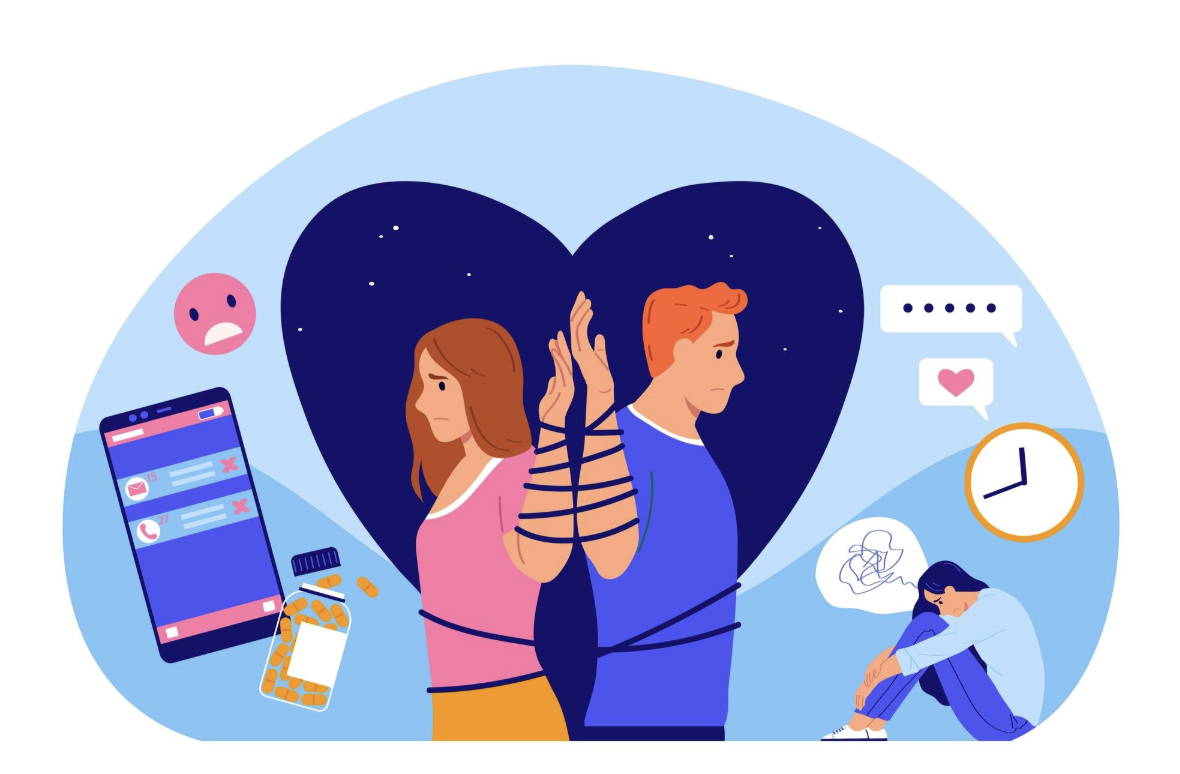
Self‑sabotaging in relationships involves engaging in destructive patterns — consciously or unconsciously — that eventually damage or end the relationship.
These self‑destructive behaviours can show up in many different ways, but they tend to have one thing in common: your actions repeatedly hurt the connection and impact your partner’s feelings.
From the outside, this can be incredibly confusing. Your partner may feel like everything is going great — until something suddenly flips and you start pulling away, picking fights, or behaving in ways that do not match your feelings for them.
For example, you might be in a new relationship where the conversation flows, the sex is good, and you can genuinely see a future together. Just as you start to find your groove, fears and insecurities creep in and contaminate what once felt easy.
With those intrusive thoughts, you may start acting out: cancelling plans, flirting with other people, withdrawing affection, or becoming critical — even when nothing concrete has gone wrong. This can come from insecurity, past trauma, or a deep fear of getting hurt by the person you care about most.
How does self‑sabotaging behaviour affect a relationship?
Relationship sabotage naturally has a huge effect on your love life, as well as on your own wellbeing and mental health.
If you are constantly engaging in self‑sabotaging behaviours, it becomes almost impossible to sustain a healthy relationship. Even if your partner tries to understand your past experiences or attachment style, it does not necessarily make your behaviour easier to live with — it can be exhausting.
Without peeling back the layers and understanding why you are stuck in these patterns, you are likely to find yourself facing the same painful endings over and over again.
In the moment, ending a relationship or pushing someone away may feel like a narrow escape from vulnerability, but over the long term it keeps you from experiencing the kind of intimacy and security you deserve.
Questions like “Do I believe I do not deserve love?”, “Am I carrying unresolved trauma from childhood or past relationships?”, or “Do I have unrealistic expectations about what a relationship should look like?” can help you begin to understand where the pattern is coming from.
What causes self‑sabotaging behaviour?
Self‑sabotaging behaviours can stem from many sources, and it is not always obvious why you are stuck in a particular relationship cycle.
Often there are multiple contributing factors, some of which you may not even be fully aware of. Common roots include fear of abandonment, self‑protection, lack of trust, low self‑worth, attachment style, and fear of intimacy.
1. Fear of abandonment. Romantic relationships require a lot of trust because you have to let someone in and share more of yourself. That level of vulnerability can feel terrifying if you are afraid of being left behind.
For some people, it can feel safer to push partners away before they get a chance to leave. On the surface this might look cold or uncaring, but underneath it often reflects a deep fear of abandonment.
2. Self‑preservation. Research suggests that some forms of self‑sabotage act as a kind of self‑protection. If you never fully put yourself out there, you cannot be rejected.
While keeping your distance may feel safer in the short term, it also denies you the chance to build a fulfilling long‑term relationship.
3. Lack of trust. Experiencing infidelity or toxic behaviour in past relationships can make it much harder to trust a new partner.
If you are holding on to old hurts, you might keep new partners at arm’s length or sabotage things the moment you start to feel too close. This inability to trust does not just protect you — it actively keeps you from the closeness you want.
4. Low self‑worth. Unhealthy relationships can lower your self‑esteem and make you question whether you deserve love. If you have internalised beliefs like “I am not good enough” or “everyone leaves”, you may find yourself sabotaging promising relationships because deep down you expect them to fail.
5. Attachment style. Insecure attachment styles can heavily influence romantic relationships. For example, someone with an avoidant attachment style may lash out or stonewall when a partner gets emotionally close, while an anxious partner may cling tightly and test the relationship.
“Attachment styles are not fixed or permanent; in healthy, loving relationships, we can shift to a more secure attachment,” says Seeger DeGeare. Attachment patterns can also vary from relationship to relationship.
6. Fear of intimacy. When you struggle with intimacy, you might use self‑sabotage as a form of protection. If your partner gets too close or crosses the rigid boundaries you have set, it can trigger a strong urge to push them away.
How do you know if you are sabotaging your relationship?
Relationship sabotage is complex, partly because the behaviours involved can feel automatic or justified in the moment.
In many cases, self‑sabotage is a knee‑jerk reaction that you only recognise in hindsight — often after a painful breakup.
Noticing the signs in yourself is a key step toward change. Once you can name what you are doing, it becomes easier to pause and choose a different response.
Signs you might be self‑sabotaging
1. Gaslighting. When your partner calls you out on hurtful behaviour, you find yourself minimising, denying, or twisting the story instead of owning your part. Over time, this toxic pattern can seriously damage their self‑trust and the health of the relationship.
2. Constant critique. Even when your partner is meeting your needs, you pick them apart over small things and focus on their flaws. This can be your brain’s way of looking for an escape route, blaming your partner rather than facing your own fears.
3. Avoidant behaviour. Instead of engaging in hard conversations, you shut down, stonewall, disappear, or “ghost” when things get emotionally intense.
4. Infidelity. Cheating on your partner can function as the ultimate self‑destruct button. For some people, it is a way to blow up a relationship they feel too vulnerable in, even if they still care about their partner.
5. Trust issues. On the other side of the spectrum, you might constantly accuse your partner of cheating or lying without evidence. These unfounded accusations often reflect deep‑seated self‑esteem issues and can end up driving your partner away.
How to stop self‑sabotaging relationships
If you are aware that you tend to self‑sabotage, it can feel isolating and frustrating — especially when you still struggle to break the cycle.
The good news is that with support and self‑reflection, it is possible to change.
Working with a mental health professional or engaging in couples therapy can help you connect the dots between your past experiences, current fears, and present‑day behaviour.
Seeger DeGeare recommends starting with self‑awareness: “Write yourself a letter about how you wish you would show up in your relationship. Then sit down and be honest with yourself. What could you change today to move you toward that goal of who you want to be in relationships?”
She also suggests asking yourself: “What is the number one fear that comes up when you think about letting go of some of those self‑sabotaging behaviours?” Naming that fear can make it easier to challenge.
Talking to trusted friends or loved ones can also help, even if you feel ashamed of your patterns. Getting out of your own head is often the first step toward getting out of your own way.
If you notice that these patterns keep showing up across relationships, consider seeing a therapist to explore them more deeply. You do not need to be in a couple to work on who you are in relationships.
Frequently asked questions
Am I unhappy or self‑sabotaging in my relationship? “First off, it could be both — two things can exist,” says Seeger DeGeare. “You could be unhappy and self‑sabotaging; you also could be self‑sabotaging because you are scared of really committing to this relationship.” She suggests asking yourself questions like: “Do I see myself in this relationship and satisfied in ten years?” and “If this relationship ended today, what would immediately feel better in my life?” Your answers can highlight what feels scary and what you might be ready to let go of.
Can self‑sabotage be unlearned? Yes. While you may never erase every fearful thought, you can learn new ways of responding to them. With curiosity, support, and practice, it is possible to build relationships that are based more on choice and less on fear.