✅ Expert reviewed
This article has been reviewed by Kendra Capalbo, licensed couples therapist, to ensure it reflects current best practices and realistic expectations for marriage counseling and couples therapy.
Why couples consider therapy
If you have reached a point in your relationship where every other conversation turns into an argument, or you simply feel miles apart from each other, it might be time to consider couples therapy.
Therapy is widely used across the world to help married couples and long‑term partners better understand each other, rebuild trust, and find their way back to a healthier connection.
The strains of everyday life — growing families, money worries, health issues, and work stress — can slowly erode communication, intimacy, and goodwill. A good therapist offers a structured space to slow things down, look at the pattern together, and learn new ways of relating.
How does couples therapy work?
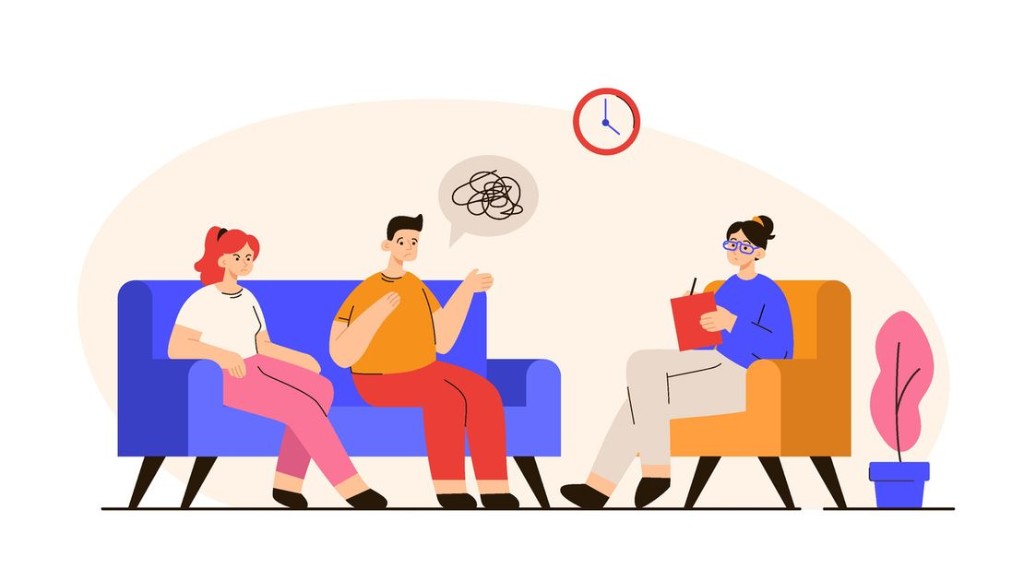
Couples therapy aims to help partners work together in a safe, impartial environment and heal emotional wounds in their relationship.
Just like individual therapy, it usually involves talking through your struggles with a trained professional who helps you adopt new skills and guides your relationship in a more constructive direction.
“Couples therapy is often hard work, so you can expect to be encouraged to be vulnerable and expressive with your partner, and to communicate clearly your needs and desires,” explains Capalbo.
In session, your therapist may help you slow down heated moments, recognize patterns in how you both react, and practice new ways of listening and responding.
You can work with a local therapist in person, or choose secure online options if that feels more accessible or comfortable for you.
Is couples therapy worth it?
Many couples wonder whether therapy is worth the time, money, and emotional effort.
Capalbo notes that the impact of therapy depends on several factors: the therapist’s competence and approach, the level of motivation from both partners, and the nature of the issues being addressed.
Some problems — like long‑standing differences over having children versus not, or one partner firmly wanting to leave — may not be fully “fixable” through therapy. In those cases, sessions often focus more on clarity, respect, and making the healthiest decisions possible.
For many other struggles, however, research suggests that couples therapy can be highly effective. Meta‑analyses indicate that roughly three‑quarters of couples show meaningful improvement after evidence‑based treatment (overview of couple therapy outcomes).
The couples who benefit most tend to be those who both want the relationship to work and are willing to be honest, curious, and engaged in the process.
How long does couples therapy usually last?
There is no one‑size‑fits‑all timeline for couples therapy.
Capalbo shares that some couples who are facing relatively contained issues — and who invest effort between sessions — may see significant progress in just a handful of appointments.
Others, especially those working through infidelity, long periods of distance, or complex histories, may need months or more of consistent work.
Rather than going in with a strict deadline, it is usually more helpful to revisit your goals together with your therapist every few sessions and decide whether the work still feels useful.
How often do couples go to therapy?
Most couples start with weekly sessions. This rhythm offers enough continuity to build momentum and practice new tools between meetings.
“Once a couple starts building momentum and seems to be implementing the tools outside of therapy, sessions can decrease in frequency,” says Capalbo.
Many therapists gradually shift from weekly to biweekly, then to monthly “maintenance” or check‑in sessions. Some couples choose to return for refresher appointments when new stressors appear or old patterns start to creep back in.
What types of couples therapy are most effective?
Different therapists use different models, and no single approach works best for every couple. That said, some frameworks have strong research support.
• Emotionally Focused Therapy (EFT). This attachment‑based method helps couples identify and change negative interaction cycles and share the deeper emotions underneath their fights. Outcome studies show that around 70–75% of couples move from distress to recovery, and about 90% show significant improvement (EFT effectiveness research). You can learn more in our dedicated guide: Emotionally Focused Couples Therapy: What It Is and Does It Work?. • The Gottman Method. Developed by Dr. John Gottman and colleagues, this approach focuses on reducing harmful communication patterns, increasing intimacy and respect, and building a strong “friendship system” in the relationship.
Other modalities — such as integrative behavioral couple therapy, systemic approaches, or culturally specific frameworks — can also be effective when practiced by well‑trained clinicians.
If premarital counseling is what you are looking for, research suggests that structured pre‑wedding programs can reduce divorce risk and improve relationship quality over time (study on premarital education).
Pros and cons of couples therapy
Capalbo highlights several advantages of working with a couples therapist:
• A neutral third‑party perspective who is not taking sides. • A structured, emotionally safe space to have conversations that feel impossible at home. • Guidance from a trained professional who can help you explore the underlying feelings and attachment needs driving your behavior.
On the downside, therapy is real work. Sessions can feel emotionally draining at times, especially in the beginning, and cost can be a barrier if your insurance does not cover couples work.
It is also important to recognize that therapy cannot create motivation where there is none. If one partner is fully checked out or unwilling to engage honestly, progress will be limited.
Is couples therapy a good idea for your relationship?
You cannot force a partner into therapy, and it rarely works well if someone feels dragged there against their will.
That said, couples therapy can be especially helpful if any of the following feel familiar:
• Persistent breakdowns in communication • Physical or emotional infidelity • Ongoing dissatisfaction with your sex life • A lack of intimacy and connection, both physically and emotionally • Arguments that repeat without real resolution • Eroded trust or resentment that will not fade
If your partner is not open to couples sessions, starting with individual therapy can still be valuable. A therapist can help you clarify your needs, understand your own patterns, and decide on next steps.
Couples preparing for marriage may also benefit from premarital counseling focused on values, expectations, and long‑term goals.
What is the success rate of couples therapy?
Success in therapy is about more than staying together at any cost — it is about whether both partners feel clearer, more connected, and better equipped to navigate life, whether they ultimately stay together or not.
Still, outcome research is encouraging. Studies suggest that, across models, around 70–75% of couples who complete evidence‑based treatment report significant improvements in relationship satisfaction (meta‑analysis of couple therapy effectiveness).
The couples who thrive tend to be those who both want change, show up consistently, and practice new skills between sessions.
Can couples therapy help you fall in love again?
Most couples who benefit from therapy have not fully fallen out of love — they are just buried under hurt, stress, or disconnection.
By slowing down reactive cycles, naming the stressors, and reconnecting with underlying needs and vulnerabilities, therapy can help many partners rediscover warmth, affection, and appreciation.
In some cases, the work clarifies that parting ways is the healthiest option. In others, it opens a path toward a deeper, more honest love than the relationship has ever had before.
If you are feeling stuck, know that you do not have to figure it all out alone. Reaching out for support is not a sign your relationship has failed — it is a sign you are willing to fight for it in a new way.
Where to start
If you are thinking about couples therapy, a good first step is to have an open, non‑accusatory conversation with your partner about why it matters to you.
You might also want to explore our guide to the most common relationship problems — and how to solve them to see which themes resonate most.
From there, you can look for licensed couples therapists in your area or online, read about their approaches, and schedule an initial consultation to find someone you both feel comfortable with.